



Bass fishing in November can be one of the most rewarding times of the year. With bass in various transitional stages as they prepare for winter, anglers from all over the United States can target bass effectively with the right strategies, whether you’re fishing from the bank of a small lake in the south or a pond in the northern states.
Last updated on December 1st, 2025 at 04:11 pm
SUMMARY: November bass fishing can be rewarding across the U.S., with regional tactics adapting to colder temps. In the South, fish shallow with spinnerbaits; in central states, try jigs near drop-offs; and in the North, use slow-moving lures for lethargic bass. Adapt techniques for each area’s conditions.
Remember that bass behavior in your area in November is less about the calendar and more about water temperatures, as discussed in our breakdown of the fishing “seasons.” In this guide, we’ll break down essential tips and tactics for November bass fishing in the southern, central and northern regions. Each area experiences unique weather patterns this time of year, so adjusting your approach is key to finding and catching bass as temperatures drop.
In November, southern states likely will experience the fall turnover, a week or so where cooling surface water sinks and mixes with warmer water, making for a brief period of difficult fishing. At this point, aquatic plants have died back, water has turned murkier, and bass in shallow water, dealing with declining cover, gradually move offshore. The cold-water period that follows can yield some outstanding catches.
Central states will have entered cold-water conditions, where bass will aggregate around remaining cover and structure, in channels and on the outside edges of flats. Northern states are the same, though winter conditions may occur, sending bass to the deepest waters, where they display the least activity of the year.
Bass Fishing in November for Your Region
Bass fishing icon Mike Iaconelli says November is one of the best times of the year for southern bass fishermen, as the fall feeding frenzy hits its peak. Meanwhile, northern bass are marking the tail end of fall, moving from feeding areas to their winter spots. We go into more regional specifics below, but as a general guide for bass fishing in November, do like Ike:
- Spinnerbait (South) – When fish are chasing baitfish, a spinnerbait can be a safe bet due to its ability to mimic a small school of baitfish. Observation is key here; scattering baitfish on the surface of your pond or lake means bass below are giving them a run.
- Topwater (South) – Ike is thinking of a classic “walk the dog” style topwater here. (Our favorite is the Zara Spook.) Aggressively feeding bass can’t resist the side-to-side action. Again, look for bass breaking the surface to pick your target location.
- Crankbait (North) – Crankbaits are a good way to trigger reaction bites. Choose a crankbait that matches up well with the depth of your pond and deflect it off rocks and other cover for best results..
- Football jig (North) – A football jig with a chunk-style trailer, dragged along the bottom, presents a good imitation of a crawfish or even bluegill, which go on the bass menu when shad and baitfish supplies drop off.
Southern United States
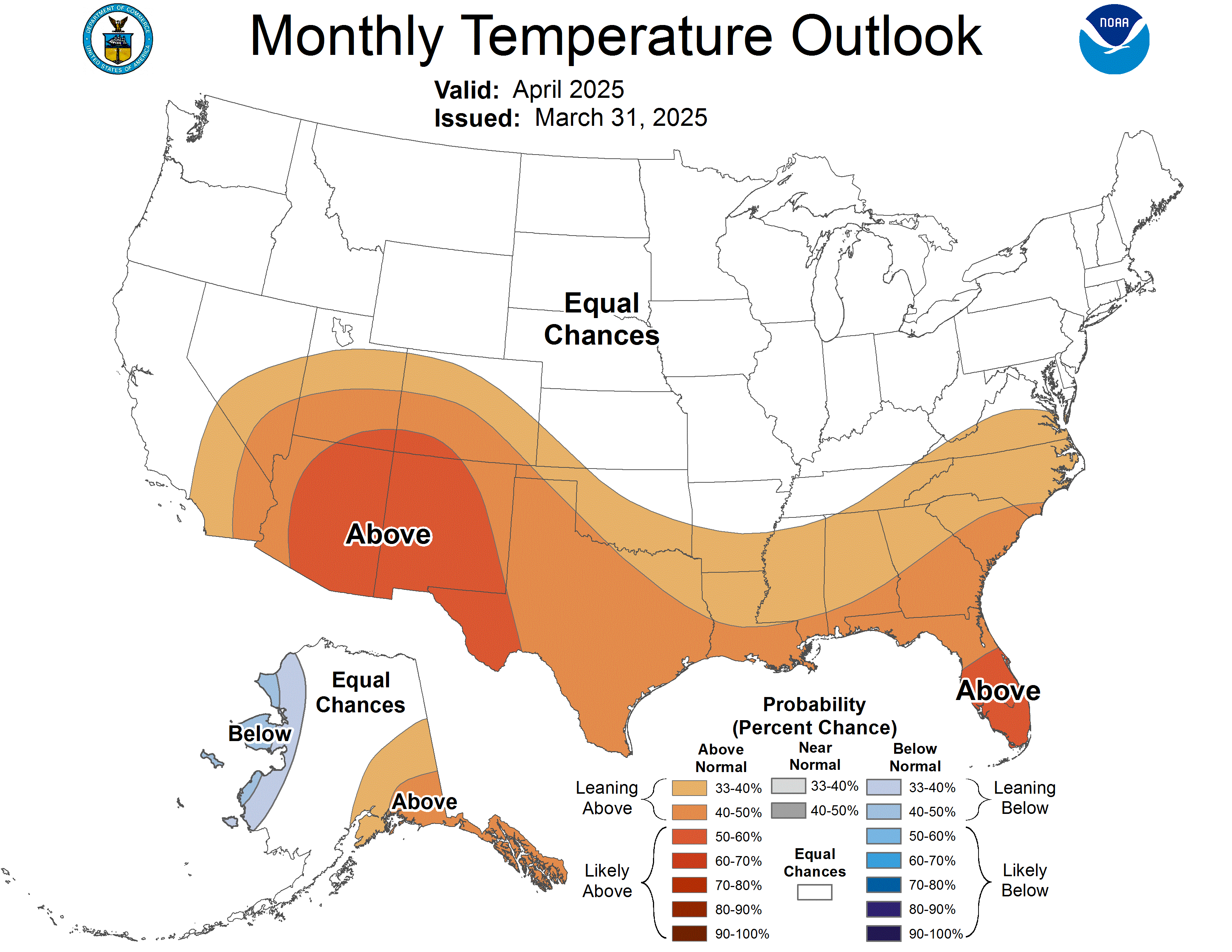
In November, southern states experience milder temperatures, with daytime highs ranging from the mid-60s to 70s and cooling slightly at night. This warmer weather keeps the water temperature higher than in other regions, prolonging the fall transition period. Southern bass are active but may become slightly more lethargic in cooler pockets, often found in shallow areas and close to bank structures.
Despite the transition, don’t give up on shallow structure. With warmer water, bass are still drawn to shallow spots, especially those with structures like fallen logs, rocks or vegetation where baitfish gather. Both spinnerbaits and swimbaits mimic these baitfish, tempting bass to strike. Although bass are active, they’re not as aggressive as during early fall.
A slow retrieve — and a Texas-rigged plastic worm comes to mind here — can work wonders in coaxing bites from bass hovering near drop-offs or transition zones. And experiment with topwater lures. Since southern bass are in moderate temperatures, they may still respond to topwater action on warmer days. Try a walking bait or a frog around vegetation edges, especially in the late morning when temperatures peak.
Central United States
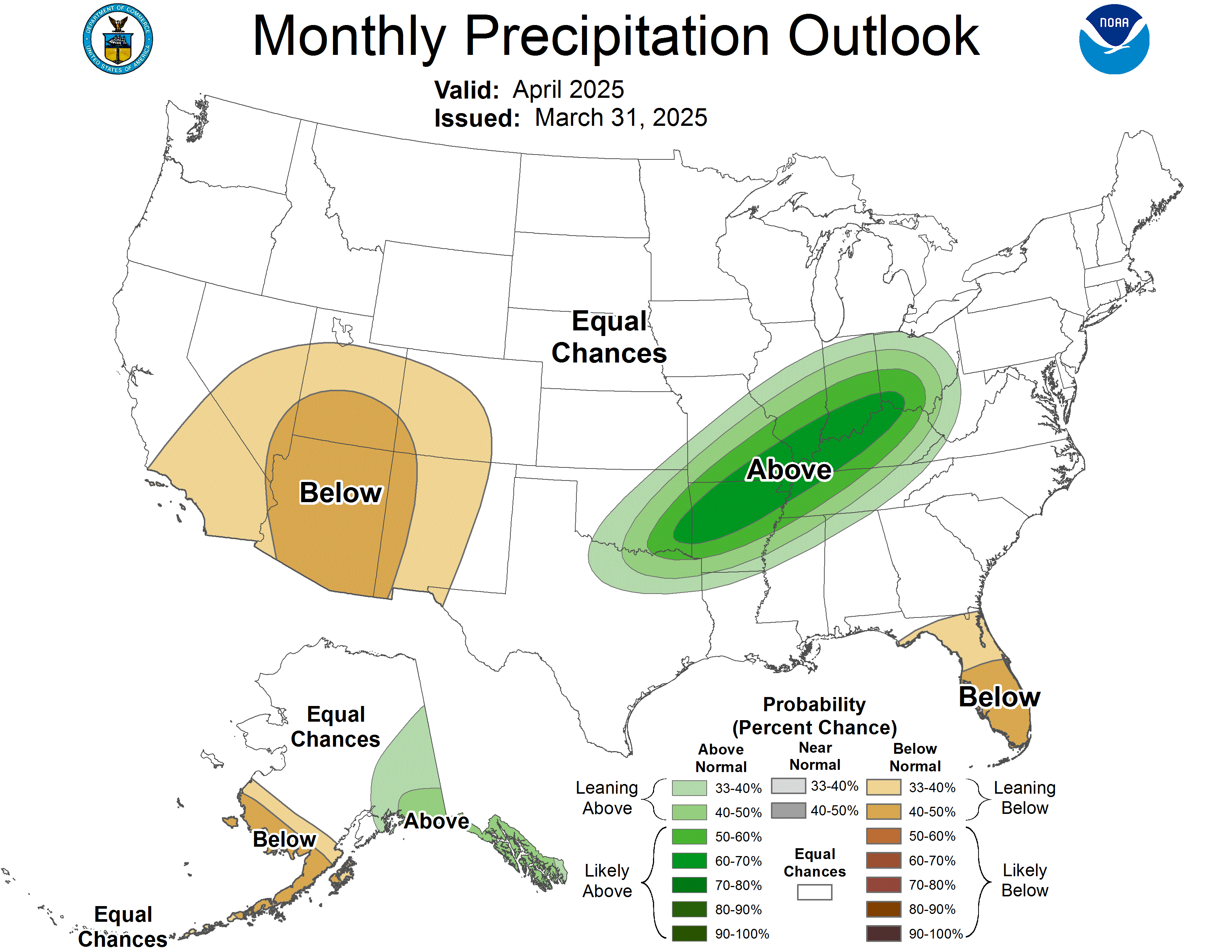
In the central U.S. states, November brings cooler weather with temperatures between 40 and 60 degrees. Cooler water temperatures drive bass from shallow structures toward deeper waters, especially near structures or drop-offs along the banks. Rain may also be more frequent, which can affect water clarity.
As water cools, bass in central states begin to hold around deeper structures near the banks. Try using a jig or creature bait around points, ledges or fallen logs to coax bites from these bass. But stay aware of water clarity. Rain can muddy waters, especially in small ponds and lakes. In murky water, loud crankbaits with rattles can grab a bass’ attention, while bright-colored lures like chartreuse or orange become more visible.
On the coldest of days, switch to fitness techniques. Bass may become inactive, making them respond well to finesse tactics like a Ned rig or drop shot. These slower techniques can help trigger strikes from hesitant fish.
Northern United States
In northern states, November usually means daytime temperatures in the 30s to 50s, and water temperatures can dip dramatically. Bass in these regions have entered cold-water and winter patterns, making their way to deeper areas near the bank where they can conserve energy. Northern anglers face the added challenge of slower metabolism in bass, meaning the fish are much less active and more selective about when they strike.
Because northern bass gravitate toward deeper structures with easy access to shallows, working a jigging spoon or blade bait slowly along these areas can be effective, imitating dying baitfish in cold water. That could mean using painfully slow retrieves to try to entice lethargic bass. Techniques like dead-sticking soft plastics on the bottom give bass a chance to study the bait before committing.
Improve your odds with natural lure colors. Clear northern waters and cautious bass require natural, subdued colors like green pumpkin, brown, or gray. Opt for natural-colored soft plastics to appeal to their sense of realism.
Weather Trends for Bass Fishing in November
Conclusion
Fishing for bass in November, regardless of your region, means adapting to cooler water and slowing down your presentation to match the changing activity level of bass. Small adjustments—like choosing the right color or fine-tuning retrieve speeds—can make all the difference in November bass fishing. Always check weather forecasts and water conditions before heading out, as temperature swings, rain, and cold fronts can greatly impact bass behavior.
So, whether you’re bass fishing in November from a warm bank in the south, the cooling waters of the central U.S., or the chilly shores up north, this guide should give you the strategies, tips, and lures to find success.
Resources
- Top Four Bass Baits for November – blog.mikeiaconelli.com


